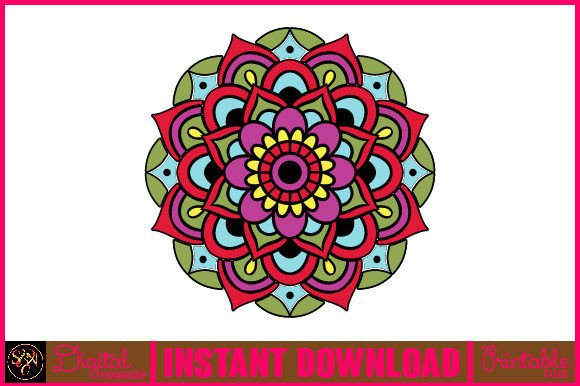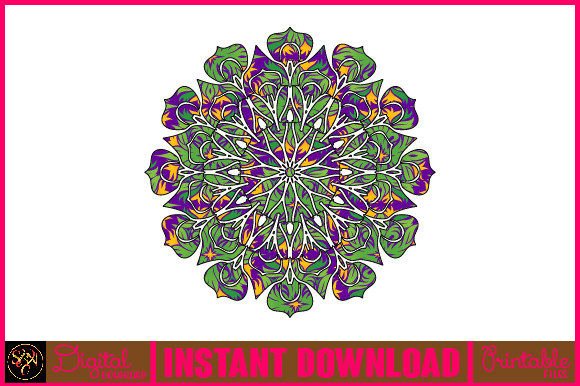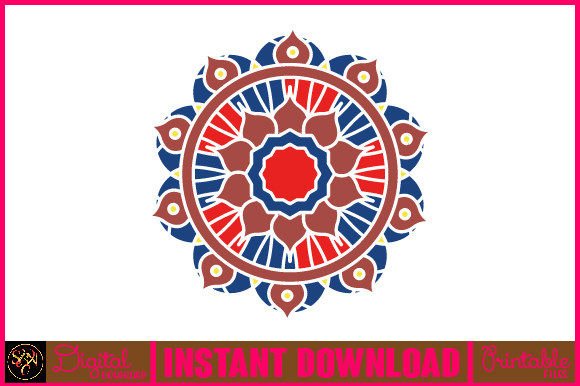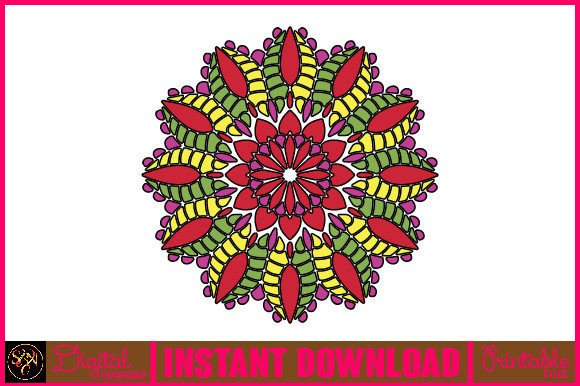
Reviewing Mandala 3D Layered SVG Cut File-133 for Embroidery
As a designer who spends more time staring at stitch simulations than most people care to admit, I approach every new digital embroidery file with a mix of curiosity and skepticism. We all know the feeling: you see a stunning graphic online, full of vibrant colors and intricate details, but the moment you try to translate that into thread, the reality can be harsh. Today, I am taking a close look at Mandala 3D Layered SVG Cut File-133. While this asset is categorized under Crafts and Graphics, my job is to determine if it holds up as a viable machine embroidery design for real-world applications.
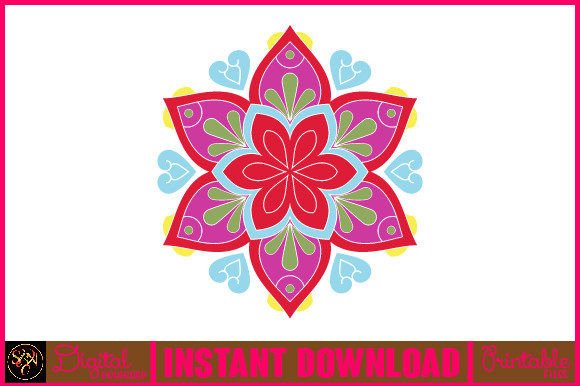
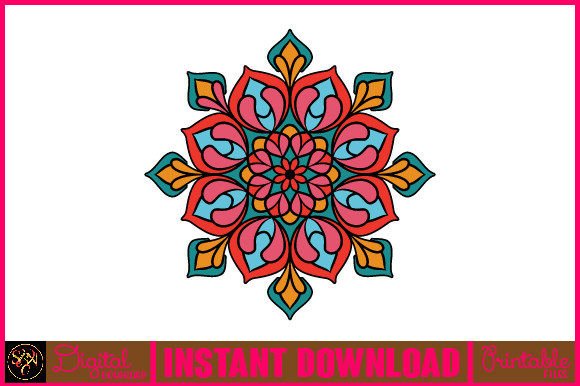
The first impression of this mandala is undeniably strong. It carries a distinct "hand-drawn" quality that feels organic rather than rigidly geometric. The inclusion of tribal ornaments gives it a bohemian, grounded personality that resonates well with current market trends. Visually, it screams "boutique." However, seeing a colorful PNG or SVG on a screen is vastly different from watching a needle punch through fabric. The term "3D Layered" in the title suggests depth, which in the embroidery world usually translates to complex layering of fill stitch areas or perhaps an applique design structure. This immediately raises questions about stitch density and how those layers will interact on textured materials.
Real-World Application: The Custom Tote Bag Test
To truly evaluate Mandala 3D Layered SVG Cut File-133, I imagined a specific client request: a set of custom reusable tote bags for a local yoga studio. These aren't just promotional items; they need to look high-end enough to be sold as merchandise. The mandala's circular symmetry makes it perfect for centering on a tote bag design, but the devil is in the details.
If I were to digitize this graphic for embroidery, the outer rings of the mandala would need careful attention. On a canvas tote, a heavy fill stitch could cause the fabric to pucker if the stabilizer isn't robust enough. The "tribal ornament" elements mentioned in the description likely contain fine lines. In a printed format, these look crisp. In embroidery, if those lines are too thin, they risk becoming fragile running stitch segments that snap under tension. For a product meant to carry groceries and books, durability is key. I would recommend converting the finest details into slightly thicker satin columns or ensuring the underlay is substantial enough to support the top stitching.
For a sweatshirt embroidery project, this design shines even brighter. The soft, fuzzy texture of fleece or French terry can hide minor imperfections, and the bold shapes of the mandala would pop beautifully against a heather grey or navy background. The "colorful" aspect of the original graphic suggests a multi-thread palette. While vibrant thread colors are eye-catching, I always advise checking how these colors transition. In a gradient-heavy graphic, embroidery requires distinct color stops. A skilled digitizer would need to simplify some of those subtle shifts to maintain clarity without creating a muddy mess of overlapping threads.
Navigating Fabric Textures and Hoop Limitations
One of the biggest challenges with intricate mandalas is the hoop size. A detailed circular design often demands a large hoop to capture the full scope without cropping essential elements. If you are working with a standard 4x4 machine, you might find yourself forced to scale down Mandala 3D Layered SVG Cut File-133. This is where caution is required. Shrinking a complex design increases the risk of stitch crowding. Tiny gaps between layers in the digital file can disappear entirely when stitched at a smaller scale, turning distinct patterns into solid blocks of thread.
Furthermore, consider the fabric texture. On a smooth quilting cotton, this design would look precise and clean. However, place it on a waffle-knit towel or a ribbed sweater, and the regularity of the mandala might get distorted by the fabric's uneven surface. For baby embroidery projects, such as a onesie or a burp cloth, the hand-feel is paramount. A dense, multi-layered mandala can feel stiff and scratchy against sensitive skin. In these cases, I would suggest using the design as a lighter outline or pairing it with a soft appliqué fabric to reduce the bulk of the stitching while keeping the visual appeal.
Curved surfaces present another hurdle. If you are attempting this on a cap, the curvature of the front panel can distort the circular symmetry of the mandala. What looks perfect on a flat mockup might look oval or skewed once stitched onto a structured hat. It is crucial to test the design on a scrap piece of the actual material before committing to a production run.
Commercial Viability and Brand Consistency
For Etsy sellers and owners of small shop products, the visual impact of a design directly influences buyer engagement. This mandala has a "finished product" look that suggests professionalism. When customers see a well-executed mandala on a pillow cover or kitchen towel, it conveys a sense of care and artistry. It elevates a simple item into a personalized gift with perceived higher value.
However, consistency is vital for brand building. If you plan to use Mandala 3D Layered SVG Cut File-133 across a range of commercial embroidery items—from aprons to blankets—you must ensure the colorway remains consistent. Screen colors rarely match thread charts exactly. I recommend creating physical swatches of your chosen thread palette and photographing them in natural light. These images serve as accurate printable mockups for your online listings, managing customer expectations and reducing returns due to color discrepancies.
The "3D" effect mentioned in the title could be a unique selling point if interpreted creatively. Perhaps using a darker shade of thread for the under-layers and a lighter, glossy thread for the top layers could create a literal shadow effect, enhancing the depth without needing complex foam techniques. This kind of thoughtful execution builds customer trust and encourages repeat business.
Practical Notes for the Serious Maker
Before you dive into stitching, here are a few non-negotiable steps I take with any new design assets:
- Test on Scrap First: Never run a new design on your final garment. Use the exact same fabric and stabilizer combination you plan to use for the embroidery project.
- Check Licensing: Since this file originates as a graphic/SVG, verify the license terms. Just because you can print it on a t-shirt doesn't automatically mean the creator allows you to sell the digitized embroidery version or the finished goods commercially. Clarify this to protect your craft business.
- Simplify for Small Hoops: If you must downsize, be prepared to manually edit the file to remove micro-details that won't stitch out cleanly.
- Contrast is King: Test the design in black and white first. If the layers don't distinguish themselves without color, the design relies too heavily on hue rather than form, which can be risky for embroidery.
- Stabilizer Selection: For a design with this much potential detail, a cut-away stabilizer is often safer than tear-away, especially for items that will undergo frequent washing like holiday embroidery gifts or daily-use apparel.
In conclusion, Mandala 3D Layered SVG Cut File-133 offers a rich visual foundation for creative entrepreneurs. Its tribal and ornamental roots provide a timeless aesthetic that fits well within the current handmade market. However, its success as an embroidery file depends entirely on how it is adapted. By respecting the limitations of thread and fabric, and by approaching the digitization process with a critical eye, this graphic can transform from a pretty picture into a standout handmade product that customers love to buy and wear.