Review: Mandala 3D Layered SVG Cut File-95 for Embroidery
As a designer who spends more time staring at stitch maps than most people spend watching television, I approach every new digital embroidery file with a mix of excitement and skepticism. We have all been there: you buy a stunning graphic online, load it into your software, and realize the complexity that looks beautiful on a screen is a nightmare to stitch out. Today, I am taking a close look at Mandala 3D Layered SVG Cut File-95. While this asset originates in the Crafts and Graphics categories as a cut file, my goal is to evaluate its potential when translated into a tangible machine embroidery design for real-world client projects.
First Impressions: Visual Personality and Mood
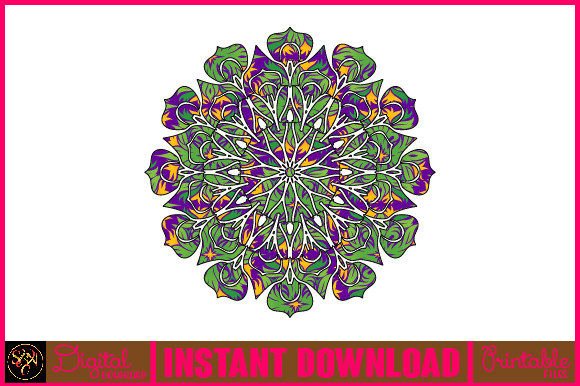
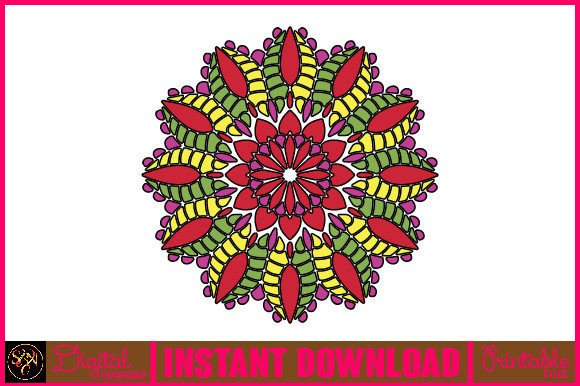
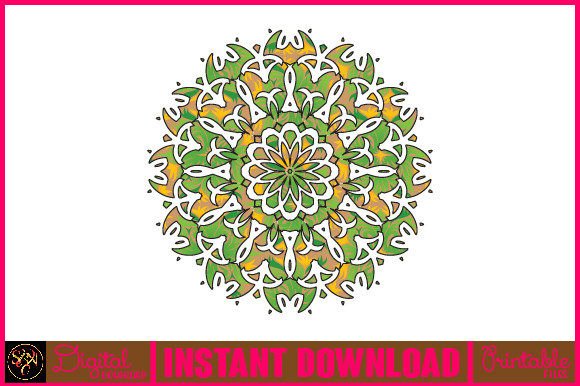
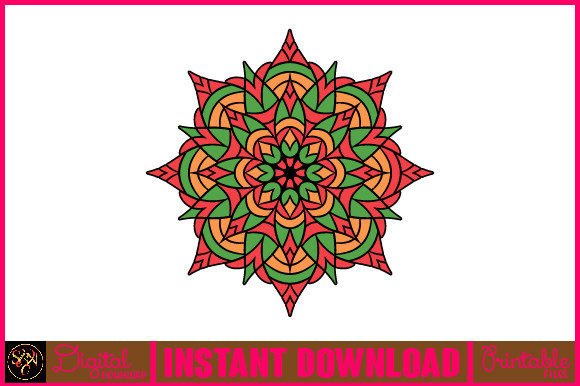
The moment you open Mandala 3D Layered SVG Cut File-95, the first thing that strikes you is the intricate balance between tribal ornamentation and fluid, hand-drawn lines. Unlike rigid, geometric mandalas that can feel cold or overly mechanical, this design possesses an organic warmth. The "3D layered" aspect mentioned in the title suggests depth, which translates beautifully to embroidery through varying stitch density and directional fills.
The layout feels centered and symmetrical, creating a sense of calm and stability—perfect for items meant to be cherished, like a personalized gift or a boutique home decor piece. However, from a technical standpoint, the level of detail is high. The swirling motifs and fine tribal accents indicate that this is not a quick-fill project. It demands precision. If you are planning to use this for a small shop product, be aware that the visual personality leans towards bohemian elegance rather than bold, blocky sportswear graphics.
Real-World Application: The Tote Bag Scenario
To truly test the viability of this design, let's walk through a realistic scenario. Imagine a client requests a custom tote bag design for a local yoga studio or an artisan market. They want something unique that stands out against natural canvas. Mandala 3D Layered SVG Cut File-95 fits this brief perfectly. The circular nature of the mandala works exceptionally well on the flat, square surface of a tote bag, drawing the eye immediately to the center.
In this context, the design would likely require a combination of satin stitch for the outer borders to create crisp definition and fill stitch for the inner layers to provide texture and coverage. When stitched onto a medium-weight canvas with a proper stabilizer, the "layered" look can be achieved by using slightly varying thread tones or by adjusting the pull compensation to prevent the fabric from puckering. The result would be a finished product that feels high-end and handmade, justifying a higher price point for your craft business.
Beyond tote bags, consider sweatshirt embroidery. Placing this mandala on the back of a oversized crewneck creates a statement piece. However, because sweatshirt fleece has a distinct fabric texture, you must ensure the design elements are large enough not to get lost in the nap of the fabric. The tribal ornaments in this file are substantial enough to hold their own, provided you use a cut-away stabilizer to support the weight of the stitching.
Technical Considerations and Fabric Challenges
While the aesthetic appeal is undeniable, practical execution requires careful planning. One of the primary concerns with a design this detailed is the hoop size. To capture the full integrity of the mandala without scaling it down to the point of losing detail, you will likely need a large hoop. If your machine only supports small hoops, you might be forced to split the design, which can lead to alignment issues and visible seams that ruin the seamless flow of the pattern.
Furthermore, caution is advised when working with stretchy fabrics or curved surfaces like caps. A complex mandala does not tolerate distortion well. If the fabric shifts even slightly during stitching, the symmetry breaks, and the entire embroidery project can look amateurish. For baby embroidery on soft knits, you must reduce the stitch count if possible or use a very light touch to maintain the softness of the garment. Dense stitching on a baby onesie can make the fabric stiff and uncomfortable against sensitive skin.
Dark fabrics present another challenge. Since this is originally a colorful graphic, translating it to thread requires thoughtful color selection. On black or navy garments, you cannot rely on the background to define the shape. You may need to add a underlay or choose lighter thread colors to ensure the tribal details pop. Conversely, on white linens for holiday embroidery or tea towels, a monochromatic thread scheme could look incredibly sophisticated.
Enhancing Brand Value and Customer Trust
For Etsy sellers and creative entrepreneurs, the choice of design directly impacts brand perception. Using a generic, low-quality clipart converted to stitches can cheapen your brand. In contrast, utilizing a well-structured file like Mandala 3D Layered SVG Cut File-95 signals professionalism. Customers can intuitively feel the difference in quality. A clean, well-digitized mandala on a pillow cover or apron suggests that care was taken in every step of the process.
This attention to detail builds customer trust. When a buyer receives a handmade product where the stitching is crisp, the colors are vibrant, and the design is unique, they are more likely to return for future purchases or recommend your shop to others. This design asset allows you to create custom apparel and decor that feels exclusive, helping you stand out in a saturated market.
Practical Designer Notes for Success
Before committing this design to a final client order, I strongly recommend a few preparatory steps. First, always test the design on scrap fabric that matches your final material. This allows you to check for registration issues and see how the threads interact with the specific weave of your cloth. Second, review the stitch density in your embroidery software. If the layers are too close together, they may cause thread breaks or bird nesting.
It is also wise to view the design in black and white mockups. This helps you assess the contrast and ensure the shapes are distinct without relying on color. Check the smallest details; if certain tribal flourishes are too tiny, they may need to be simplified or removed to stitch cleanly. Finally, confirm the licensing terms. While the description mentions usage for printing purposes like t-shirts, ensure that converting this Graphics file into an applique design or selling it as a digitized file complies with the creator's rules for commercial embroidery.
In conclusion, Mandala 3D Layered SVG Cut File-95 offers a rich visual language that, when handled with technical skill, can elevate a wide range of products from simple crafts to boutique treasures. It rewards the designer who pays attention to fabric choice, stabilization, and thread management, resulting in a stunning addition to any portfolio.