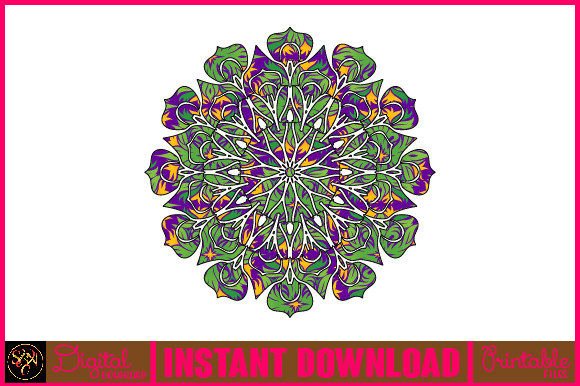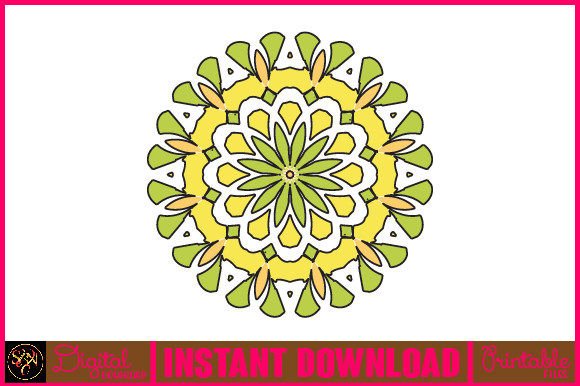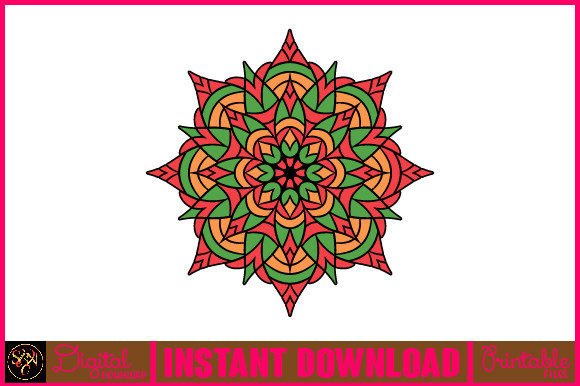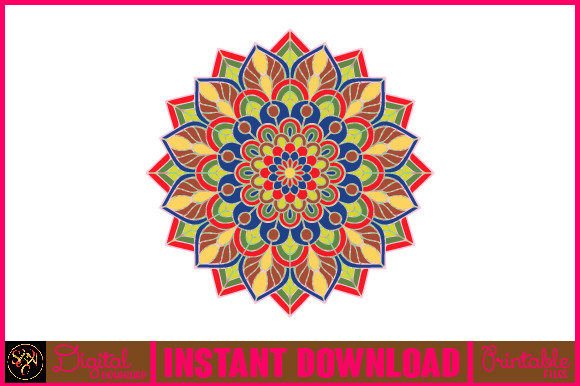
Mandala 3D Layered SVG Cut File-202 Review
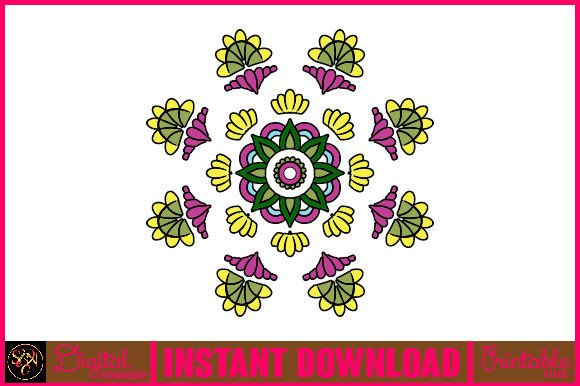
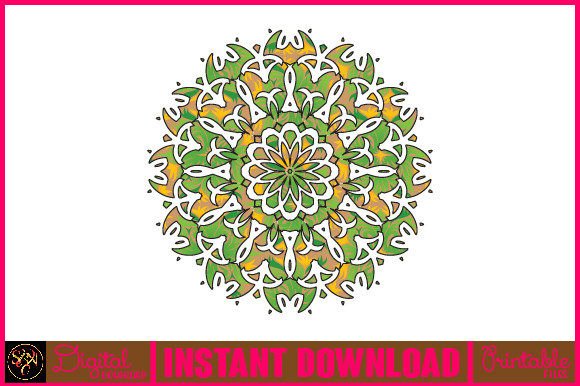
When I first opened the Mandala 3D Layered SVG Cut File-202 on my screen, the immediate impression was one of intricate balance. As a designer who spends hours digitizing and stitching, I look for more than just pretty shapes; I look for structural integrity that translates from a digital Graphics file to a tangible machine embroidery design. This specific mandala, described as a hand-drawn colorful piece with tribal ornaments, carries a visual weight that suggests it belongs on something substantial. It is not a delicate, wispy motif meant for a sheer curtain; it has a boldness that demands attention, making it an ideal candidate for high-visibility custom apparel or statement home decor.
Visual Personality and Project Fit
The layout of this design feels organic yet structured, typical of high-quality Crafts assets intended for serious makers. The "3D layered" aspect mentioned in the title implies depth, which in the world of embroidery often translates to varied stitch density or overlapping elements that create shadow and dimension. When evaluating this for a real-world scenario, I immediately pictured it centered on the chest of a heavy-weight cotton sweatshirt. The tribal ornamentation adds a rugged, artisanal feel that pairs perfectly with earthy thread colors like burnt orange, deep teal, and mustard yellow.
For an Etsy seller or small shop owner, the versatility here is key. While the product description highlights printing purposes, adapting this for embroidery requires a shift in mindset. A printed t-shirt allows for infinite color gradients, but an embroidery project relies on the interplay of light and thread. This mandala's distinct sections suggest it would stitch out beautifully as a combination of satin stitch borders and fill stitch centers. If you are creating a personalized gift, such as a tote bag for a yoga instructor or a boutique owner, this design offers enough complexity to look expensive and handmade, elevating the perceived value of the finished product.
Real-World Application: The Boutique Tote Scenario
Let's walk through a practical use case. Imagine you are preparing a run of canvas tote bags for a local farmer's market or a craft fair. You decide to use Mandala 3D Layered SVG Cut File-202 as the central branding element. Because the design features ornamental details, it needs a stable foundation. I would recommend using a medium-weight cutaway stabilizer to prevent the fabric from puckering under the weight of the stitches. The tribal elements likely contain sharp angles and fine lines; without proper stabilization, these areas could distort, ruining the symmetry that makes a mandala so satisfying to look at.
In this scenario, the design acts as more than just decoration; it becomes a brand identifier. Customers walking past your booth will be drawn to the texture. Unlike a flat print, an embroidered mandala catches the light differently as the bag moves. This tactile quality builds customer trust and signals that the item is a durable handmade product rather than mass-produced merchandise. However, one must be mindful of the hoop size. Mandalas are circular by nature, and if this specific file is large, it might require a jumbo hoop or a re-digitized version to fit standard frames. Always check the dimensions before committing to a production run.
Navigating Fabric Textures and Limitations
While this design shines on sturdy materials like denim, canvas, or twill, caution is advised when applying it to tricky surfaces. If you attempt to stitch this onto a stretchy jersey knit for a baby embroidery project, the dense areas of the mandala could restrict the fabric's natural give, leading to discomfort or seam distortion. Similarly, textured fabrics like thick wool blankets can hide the finer details of the tribal ornaments. The "hand-drawn" aesthetic relies on clear lines; if the fabric pile is too high, those lines get lost, and the design loses its definition.
Curved surfaces present another challenge. Placing this on a cap is possible, but the center of the mandala must align perfectly with the crown's apex. Any deviation will make the symmetrical design look crooked, which is immediately noticeable to the human eye. For holiday embroidery gifts like pillow covers, ensure the backside of the stitching is clean, especially if the pillow will be handled frequently. Dense stitch areas can sometimes feel scratchy against the skin, so considering a soft backing or ensuring the running stitch underlays are sufficient is crucial for comfort.
Enhancing Brand Value and Professionalism
Using a design like Mandala 3D Layered SVG Cut File-202 correctly can significantly boost your craft business profile. In the era of digital saturation, physical texture stands out. When a client receives an item with this level of detailed embroidery, it reinforces the idea of quality and care. It transforms a simple commodity into a keepsake. For those selling digital embroidery files or design assets, offering this as part of a collection shows an understanding of current trends where bohemian and tribal influences remain popular.
Furthermore, the color potential is vast. While the preview might show a specific palette, this design invites experimentation. Testing it in monochromatic schemes—using varying shades of a single color—can create a sophisticated, modern look suitable for corporate gifts or upscale boutique branding. Conversely, vibrant, contrasting colors make it perfect for festival gear or children's items. The ability to adapt the thread colors to suit different seasons or marketing campaigns makes this a versatile tool in your creative arsenal.
Practical Notes for the Serious Stitcher
Before launching into full production with Mandala 3D Layered SVG Cut File-202, there are several technical steps you should take to ensure success. First, always stitch a test sample on scrap fabric that matches your final material. This allows you to check the stitch density and see if any areas are too tight or prone to breaking threads. Pay close attention to the small corners of the tribal ornaments; these are often the first places where registration issues appear.
It is also wise to view the design in black and white on your computer screen before stitching. This helps you evaluate the contrast and flow without the distraction of color. If the design looks muddy in grayscale, it might need adjustment in your digitizing software or a change in thread selection. Additionally, verify the licensing terms provided with the file. Since this is marketed for various printing and crafting purposes, confirm whether it allows for commercial embroidery use if you plan to sell the finished items. Never assume; always read the fine print to protect your small shop product line.
Finally, consider the end-user experience. If this is going on a garment that needs frequent washing, ensure your thread choice is colorfast and your stabilizer is durable enough to withstand multiple cycles without degrading. A beautiful design is only as good as its longevity. By treating Mandala 3D Layered SVG Cut File-202 not just as a graphic but as a structural component of your product, you ensure that the final result is something you—and your customers—will be proud to display.