Mandala 3D Layered SVG Cut File-49: A Designer's Review
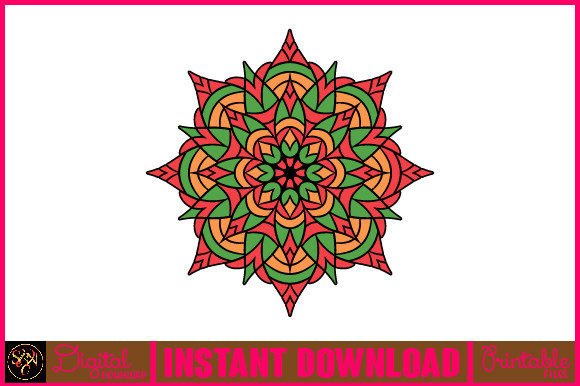
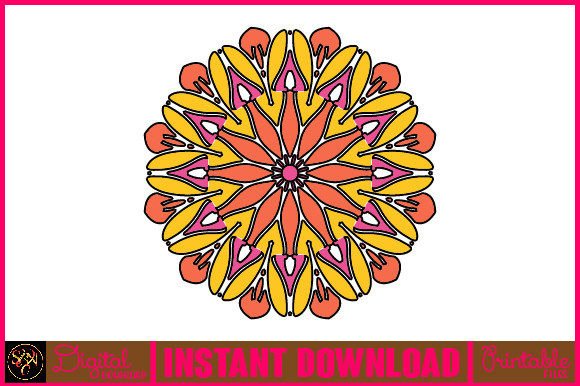
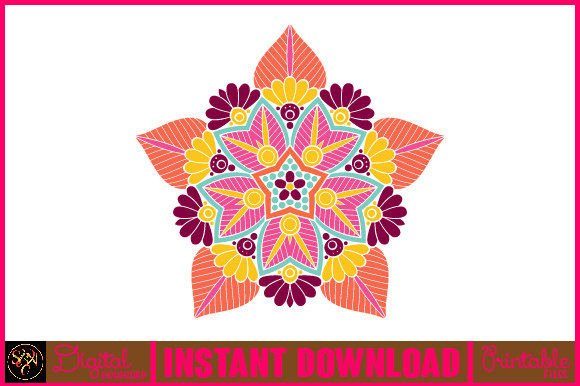
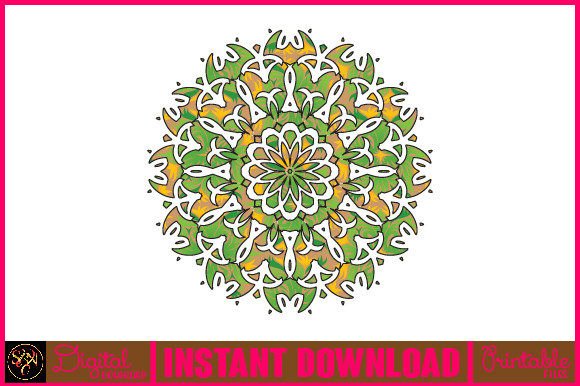
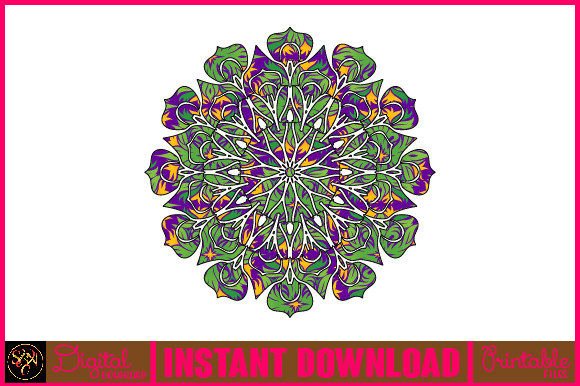
When I first opened Mandala 3D Layered SVG Cut File-49, my immediate reaction wasn't just about the colors; it was about the rhythm of the lines. As a designer who spends hours staring at screens before a single needle hits fabric, I look for flow. This design, categorized under Crafts and Graphics, offers a hand-drawn aesthetic that feels organic rather than rigidly geometric. The tribal ornament elements woven into the colorful mandala structure give it a bohemian soul, which is exactly what many of my clients are asking for these days. It's not just a pretty picture; it's a potential centerpiece for a high-value handmade product.
Visual Personality and First Impressions
The "3D" aspect mentioned in the title suggests depth, and visually, the layering delivers on that promise without being overly complicated. The mood is vibrant yet grounded. For an embroidery project, this balance is crucial. If a design is too busy, it becomes a nightmare to stitch out cleanly, especially on textured fabrics. If it's too simple, it lacks the perceived value needed for boutique pricing. Mandala 3D Layered SVG Cut File-49 sits in a sweet spot. The ornamental details provide enough intricacy to catch the eye, while the overall shape remains cohesive. When I imagine this translated from a digital embroidery file into thread, I see rich fill stitches contrasting with sharp running stitches or satin stitch borders, depending on how the vector paths are interpreted by the machine.
Real-World Application: The Boutique Tote Scenario
To truly evaluate this asset, I mentally placed it into a real-life scenario: a custom order for a local yoga studio needing branded tote bags. They wanted something spiritual but modern. Here is where Mandala 3D Layered SVG Cut File-49 shines. On a canvas tote bag design, the tribal ornaments would pop beautifully against a natural or dyed fabric background. The circular symmetry of the mandala works perfectly centered on a bag, creating a focal point that draws attention immediately.
However, moving from screen to sweatshirt embroidery or cap decoration requires a different mindset. If I were applying this to a curved surface like a baseball cap, I would need to be cautious about the density of the inner layers. Dense stitch areas can cause puckering on structured hats. For a flat application, like a pillow cover or a tea towel, the design's complexity adds a luxurious feel, elevating a standard home good into a personalized gift worthy of a wedding or housewarming.
Considerations for Fabric and Texture
One of the most critical aspects of using any machine embroidery design is understanding how it interacts with fabric texture. Because this graphic features fine tribal details, I would advise testing it on scrap fabric first. On thin fabric or stretchy materials like jersey knits used in baby embroidery, the weight of the thread could distort the garment if the stitch density is too high. In these cases, a robust stabilizer is non-negotiable. You want the finished product to lay flat, not curl up after the first wash.
Furthermore, consider the color contrast. The description highlights "colorful mandala," which implies a multi-thread palette. While vibrant thread colors are stunning, they can sometimes get lost on dark fabrics if the saturation isn't right. I always recommend running a black and white mockup test to check the value contrast. Does the design hold its shape when stripped of color? If the answer is yes, then Mandala 3D Layered SVG Cut File-49 will likely perform well on both light and dark backgrounds. If the details vanish in grayscale, you might need to simplify the thread chart or reserve it for lighter apparel decorators' projects.
Commercial Viability for Etsy Sellers and Makers
For the craft business owner or Etsy seller, time is money. A design that looks great but takes four hours to stitch out might not be profitable for small shop products unless you are charging a premium. The layered nature of this file suggests it could be adapted for applique design techniques, which can reduce stitch count and add a trendy, textured look. Using felt or leather layers beneath the embroidery could modernize the tribal theme, making it appealing for holiday embroidery gifts or boutique branding.
When listing this as part of your design assets or selling the finished product, the visual appeal directly impacts customer trust. A clean, well-executed mandala signals professionalism. It tells the buyer that you care about quality. Whether you are creating printable mockups for an online store or stitching actual custom apparel, the clarity of the lines in Mandala 3D Layered SVG Cut File-49 contributes to a polished presentation. It helps your brand stand out in a crowded marketplace of generic graphics.
Technical Checklist Before Stitching
Before committing to a production run, here is my practical checklist for integrating this graphic into your workflow:
- Hoop Size Verification: Ensure the design fits your available hoop size. Mandalas can grow large quickly; confirm dimensions to avoid resizing that compromises detail.
- Stitch Density Review: Check the digitizing. Are there too many satin stitches close together? This can cause thread breaks or bird nests.
- Small Detail Inspection: Look at the tiniest tribal elements. Will they stitch out clearly on your specific machine, or will they turn into a blob of thread?
- Licensing Confirmation: Since this is a digital product intended for various printing purposes, always double-check the license terms. Can you sell the physical embroidered item? Can you resell the file? Never assume.
- Fabric Compatibility: Test on the actual material you plan to use. A design that looks perfect on cotton might behave differently on a fleece sweatshirt.
Final Thoughts on Design Value
In the world of creative entrepreneurs, finding a versatile graphic is like striking gold. Mandala 3D Layered SVG Cut File-49 offers a strong foundation for a variety of projects, from nursery decor to festival fashion. Its hand-drawn quality gives it a human touch that resonates with buyers looking for authenticity over mass production. However, its success relies entirely on the execution. Proper stabilization, thoughtful thread selection, and an understanding of your machine's capabilities are key.
If you approach this design with a critical eye and a willingness to test, it can become a staple in your catalog of commercial embroidery projects. It has the potential to transform a simple piece of fabric into a story-rich, visually captivating finished product. Just remember, the file is only as good as the hands guiding the machine. Treat it with the respect a detailed tribal ornament deserves, and it will reward you with stunning results.